
Venice as a Fateful Destination
Death in VeniceThis flow traces how Venice shifts from the desired setting for rest into a seductive, unhealthy environment that Aschenbach cannot bring himself to leave.
increasing Bearing strength in each event
 decreasing
Bearing strength in each eventdecreasingThe Lagoon Arrival
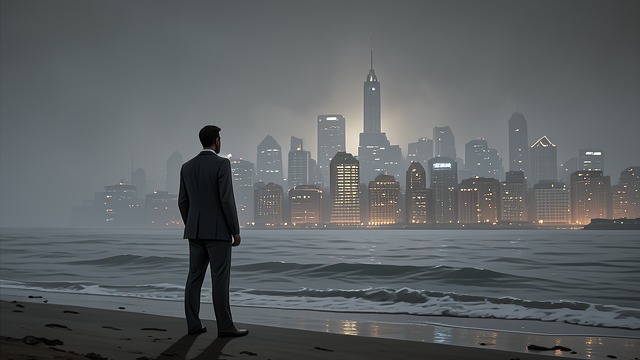
The Lagoon Arrival
A city approached by water
Aschenbach sees Venice emerge from the lagoon in grey weather. Its theatrical beauty makes the sea approach feel more fitting than the ordinary arrival by rail.
The city’s spell
The city immediately joins splendor to unease. His sense of arrival is not simply pleasure: the journey has brought him into a place where dream and danger will become difficult to separate.
A Black Gondola
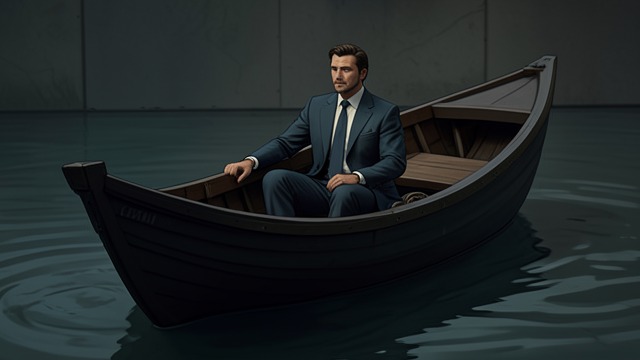
A Black Gondola
Uncertain passage
A brusque, unlicensed gondolier ignores Aschenbach’s intended route and rows him toward the Lido. The passenger resists briefly, then gives way to the soft, coffin-like boat and its soothing motion.
Ease edged with menace
The ride turns surrender into comfort. Its deathlike imagery makes the city’s beauty inseparable from danger, while Aschenbach’s passivity previews the weakening of his resistance.
The Beach Hotel
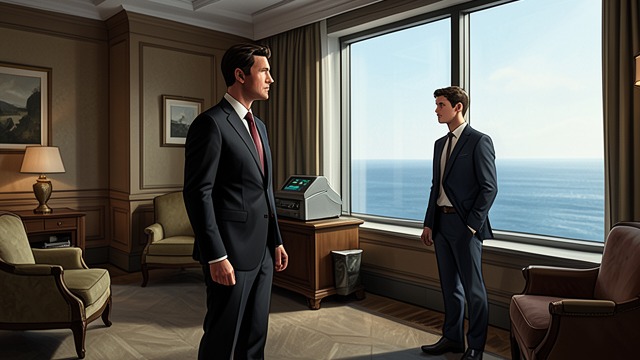
The Beach Hotel
A promising refuge
At the hotel, Aschenbach finds an international, orderly society and a room facing the open sea. The setting appears to offer the ease, air, and change he wanted.
A private fixation begins
In the lobby, his attention settles on Tadzio’s beauty. The holiday’s promise of rest is already becoming bound to a particular person rather than to the sea or the change of scene.
The City’s Unhealthy Air
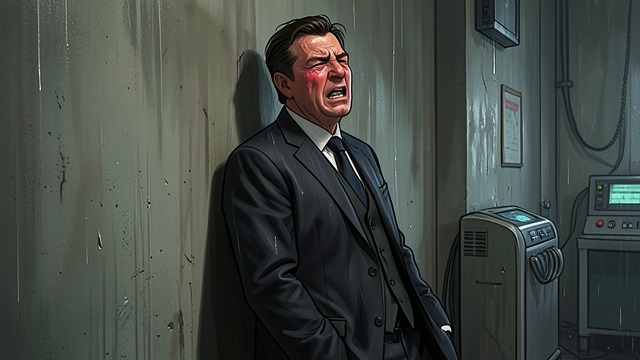
The City’s Unhealthy Air
Physical warning
Oppressive heat, stagnant smells, and crowded streets leave Aschenbach feverish and short of breath. He concludes that Venice is bad for his health and resolves to leave.
A warning resisted
The city has already made a powerful impression, but bodily discomfort briefly restores his judgment. His decision to depart will soon be tested by the emotional cost of separation.
A Departure Reversed
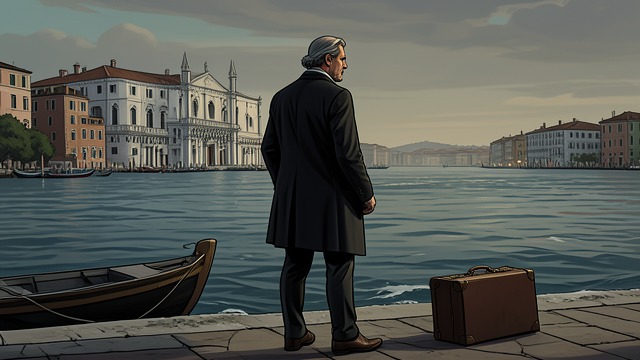
A Departure Reversed
Regret on the lagoon
Aschenbach leaves the Lido but suffers increasingly as Venice recedes. The thought of never returning turns a practical decision into a painful renunciation.
Fate as permission
His trunk is misdirected, so he returns to wait for it. The accident gives him a convenient excuse to undo his departure and exposes how strongly his desire has already displaced his plan.
Late May, as the ship enters Venice
On the first afternoon in Venice
The evening of his first day on the Lido
During his first afternoon walk in Venice
The morning after he announces his departure
